How to Track a Phone Number in Germany

If you want to trace a phone number in Germany, use the HeyLocate form above. The steps are straightforward:

  1. Enter the phone number. Begin with the international dialing code: select +49 for a German phone number or type “Germany” to automatically apply the country code. Then add the remaining digits of the number (without the leading 0 used for domestic calls) and tap “Search.”
  2. In a few seconds, you’ll receive a free report with available information such as the registration area, line type (mobile or landline), and the associated telecom operator.
  3. Optionally, you can continue with extended lookup features offered by our partners, for example, live location tracking.

HeyLocate Users’ Mobile Phone Brands in Germany

List From Our Database
Mobile Phone Brands Users’ Share
Samsung
37.76%
Apple
35.35%
Xiaomi
8.56%
Huawei
7.47%
Unknown
2.33%
Oppo
1.2%
Motorola
1.16%
Google
1.14%
OnePlus
0.83%
Sony
0.69%
Realme
0.63%
LG
0.58%
Lenovo
0.47%
Nokia
0.46%
Vivo
0.32%
ZTE
0.18%
Tecno
0.12%
Infinix
0.11%
HTC
0.1%
Asus
0.09%
Honor
0.07%
General Mobile
0.06%
Wiko
0.05%
CAT
0.04%
Alcatel
0.03%
Itel
0.02%
bq
0.02%
Casper
0.01%
Archos
0.01%
Vestel
0.01%
Caterpillar
0.01%
Show more

General Information About HeyLocate Free Phone Number Tracker

📱 OS Android, iOS, Windows, MacOS
💰 Service Сost Free
⭐ Languages English, Portuguese, Spanish, French, German, Italian
📣 Technical Support 24/7
⚡ Registration Not required
❎ No Hidden Charges Without extra fees
🏆 Top Partners Spokeo, PeopleConnect, Wikipedia, Google
🌍 Country Germany

Reverse Phone Lookup for Germany

Reverse phone lookup is used to identify information about a caller through their phone number on a search or lookup service.

German people use reverse lookup for several practical and everyday reasons:

  • Identifying unknown callers
    With rising volumes of unsolicited calls, many Germans check who called them before returning a missed call, especially when the number is unfamiliar or appears suspicious.
  • Protection against spam and fraud
    Reverse lookup helps determine whether a number has already been flagged or reported by other users.
  • Verifying business contacts
    Freelancers, small businesses, and job seekers need to confirm whether the caller is a legitimate company, a call center, or a spoofed number.
  • Understanding call origin
    Knowing the number details can help assess whether a call is local, national, or potentially misleading.

In Germany, reverse lookups are governed by strict privacy and data protection rules under the General Data Protection Regulation (GDPR) and the Federal Data Protection Act (Bundesdatenschutzgesetz). This means that personal details linked to private individuals are not openly accessible unless the number owner has explicitly agreed to be listed.

As a result, modern reverse phone lookup in Germany often relies on a combination of:

  • publicly available business listings;
  • user-reported data;
  • spam databases;
  • and technical number analysis (prefixes, operators, regions).

Who Called Me: Unknown & Spam Calls in Germany

In 2024, the Federal Network Agency (Bundesnetzagentur), the German telecommunications regulator, received 37,561 complaints about unauthorized advertising calls. It reported following up on hundreds to thousands of complaints per case, with total fines for companies exceeding €1.3 million.

Meanwhile, in 2025, Spam-Warner, a protective shield in Vodafone’s mobile network, sounded the alarm 50 million times to warn cell phone users of potential fraud.

How to Protect Yourself

Ignore unknown or unsolicited calls. Don’t answer or call back unfamiliar numbers.

Use built-in carrier spam warnings. Vodafone’s Spam Warner and Telekom’s Call Check provide real-time alerts.

Block persistent spam numbers in your phone’s dialer.

Never share personal data (bank details, IDs, PINs) over unsolicited calls.

Where to Report Spam & Scam Calls

Bundesnetzagentur (Federal Network Agency)

This is the main authority for reporting telecom spam, unauthorized marketing calls, and suspicious numbers: the complaint portal or consumer hotline +49 02 28 14 15 16.

German Telecom Providers

  • Vodafone Germany: 0800 172 1212 (free) or 1212.
  • Deutsche Telekom: 0800 330 1000 (free).
  • O2 (Telefónica Germany): 089 78 79 79 409.

Many virtual providers (ALDI TALK, Lebara, Congstar, 1&1) rely on the above networks for infrastructure. Spam reporting routes typically follow the parent network’s tools or the national regulator.

For phishing or fraud that involves financial loss or impersonation (such as police or bank employees), consider reporting it to local police or cybercrime units as well.

Check SIM Owner Details Online in Germany

In Germany, every SIM card must be registered to a verified identity, but access to ownership information is strictly protected by law. There is no official public phone number owner lookup. Thus, identifying a caller here usually relies on indirect and consent-based methods:

Public Phone Directories (Limited)

Traditional directories such as Das Örtliche, Das Telefonbuch, and Gelbe Seiten contain millions of listed landline and business numbers across Germany. However, inclusion is voluntary. Private individuals must actively choose to have their number listed, and many opt out entirely. As a result, reverse lookups using official directories work best for business numbers, offices, and publicly registered landlines, not private mobile phones.

Mobile numbers are rarely available in public directories unless they belong to a company or self-employed professional who has agreed to publication.

Caller ID & Community-Based Apps

Services such as Truecaller or Hiya may show a name if the number belongs to a business, or if other users have saved the number with a name in their contacts. These platforms compile data from user-contributed sources. Results can be incomplete or outdated and are not official records.

Messaging Apps

If the number is linked to WhatsApp, Telegram, or Signal, you may see a profile name, username, and profile photo. This only works if the user has made this information visible in their privacy settings.

Note: Attempting to obtain or use personal phone number data without consent (if a person didn’t make it public) may violate GDPR (EU Regulation 2016/679), the German Telecommunications Act (TKG), and the German Criminal Code (StGB) in cases of misuse.

Disclaimer: This information is provided for informational purposes only. Always ensure that any use of phone number data complies with German law, respects privacy rights, and follows ethical guidelines. Reverse lookup results from third-party services are not guaranteed to be accurate and must not be used for harassment, stalking, fraud, or other unlawful purposes.

Number Details: Carrier, Line Type & Time Zone

With the HeyLocate Free Phone Number Tracker Germany, you receive a report with key details that help you understand the origin, type, and context of a caller.

Carrier/Provider: The telecom operator that originally issued the number. For German phone numbers, the providers include Deutsche Telekom, Vodafone Germany, Telefónica Germany (O2), and 1&1, as well as smaller MVNOs that use their networks.

Line Type: Whether the number is a mobile, landline (fixed-line), VoIP, toll-free, or premium-rate connection. This distinction is useful for spotting call centers, internet-based numbers, or potential scam sources.

Operator/Area Code: The prefix linked to the number. For mobile numbers, it reflects the original mobile network prefix (number portability may apply). For landlines, it points to a specific geographic area or city within Germany.

ISO: The two-letter country code based on ISO 3166-1 standards. For Germany, this code is DE, confirming the country of origin for the number.

Time Zone: This helps you understand the caller’s local time when receiving or returning a call. Germany operates on Central European Time (CET, UTC+1) and switches to Central European Summer Time (CEST, UTC+2) during daylight saving.

Local Guide: How Phone Numbers Work in Germany

When you understand the German phone numbering system, you can easily identify calls, verify numbers, and stay alert to potential scams.

Numbering Plan (Germany)

Country Code (+CC): Germany’s international dialing code is +49.

Trunk Prefix: Within Germany, the digit 0 is used as the trunk prefix before area codes and mobile prefixes when dialing domestically. This leading 0 is omitted when calling from abroad.

NSN Length:

The National Significant Number (NSN) in Germany varies by number type:

  • Mobile numbers: typically 10 to 11 digits (including the leading 0 when dialed domestically).
  • Landline numbers: usually 5 to 11 digits, depending on the length of the area code and the local subscriber number.

Common Patterns:

Mobile numbers generally start with prefixes such as 015, 016, or 017, where the following digits historically identified the operator (for example, 0151 = Telekom, 0162 = Vodafone, 0176 = Telefónica/O2). Due to number portability, the current operator may differ.

Landline numbers begin with geographic area codes, such as 030 (Berlin), 040 (Hamburg), 069 (Frankfurt am Main), or 089 (Munich), followed by the local subscriber number.

What is the German Area Code

The country code for Germany is 49. Area codes help identify the caller’s location right away.

Region Code
Bad Homburg +49-6172
Berlin +49-30
Bonn +49-228
Bremen +49-421
Chemnitz +49-371
Cologne +49-221
Cottbus +49-355
Darmstadt +49-6151
Dresden +49-351
Düsseldorf +49-211
Erfurt +49-361
Essen +49-201
Frankfurt am Main +49-69
Frankfurt an der Oder +49-335
Gera +49-365
Halle +49-345
Hamburg +49-40
Hanover +49-511
Heidelberg +49-6221
Karlstadt +49-9353
Kiel +49-431
Koblenz +49-261
Leipzig +49-341
Magdeburg +49-391
Mannheim +49-621
Munich +49-89
Neubrandenburg +49-395
Nuremberg +49-911
Potsdam +49-331
Rostock +49-381
Saal +49-38223
Schwerin +49-385
Stuttgart +49-711
Wiesbaden +49-611
Show more

German Telecom Providers

All networks
Telecom operator in Germany MCC MNC
E-Plus
262 03
T-Mobile
262 01
Telefonica O2 Germany
262 07
Telogic (MVNE – Vistream)
262 16
Vodafone D2
262 02

Example Formats

  • Mobile (Domestic): 0151 12345678 (Telekom)
  • Mobile (International): +49 151 12345678
  • Landline (Domestic): 030 12345678 (Berlin)
  • International Call from Germany: 00 44 20 12345678 (United Kingdom)

Trending Prefixes & Patterns

  • 0151–0159 – Deutsche Telekom (original allocation)
  • 0160–0169 – Vodafone Germany (original allocation)
  • 0170–0179 – Telefónica Germany (O2, original allocation)

Area Codes: 030 (Berlin), 040 (Hamburg), 069 (Frankfurt am Main), 089 (Munich), 0221 (Cologne).

Scam callers in Germany often spoof well-known mobile prefixes (015, 016, 017) or large city area codes like 030 or 040 to appear local, familiar, and trustworthy.

Calling Habits & Common Scam Themes

Germany’s mobile subscription figures show that the number of mobile cellular subscribers greatly exceeds the total population, with mobile cellular subscriptions per 100 people reported at about 125+ in recent data. This confirms that many residents use multiple SIMs or multi-device connections.

In 2024, German mobile networks handled around 9,592 million GB of data, with the average mobile data usage per active SIM at about 7.4 GB per month. The majority of this traffic was carried over LTE networks (~88%).

Germany still maintains a significant number of fixed telephone lines, though these have declined relative to mobile usage.


Common scam vectors reported include:

  • prize draws and subscription traps;
  • false consumer protection or service calls;
  • phishing attempts via SMS or voice;
  • short “ping” calls aimed at triggering callbacks.

Emerging Scam Themes

The scam landscape in Germany is evolving rapidly. While some fraud techniques have existed for years, emerging ones become more sophisticated, targeted, and technology-driven.

  • AI-enhanced authority impersonation
    Scammers increasingly use AI-generated German voices to impersonate the police, health insurance funds, energy providers, or other trusted institutions. Attacks frequently combine a phone call with follow-up SMS or phishing links.
  • Real-time banking TAN interception
    Instead of classic phishing, fraudsters now stay on the phone while victims receive a real banking TAN or push notification. Victims are instructed to approve or share the code “to stop fraud,” leading to immediate unauthorized transactions.
  • Digital account and subscription takeover calls
    Calls claiming issues with Apple ID, Google accounts, cloud storage, streaming subscriptions, or new EU security standards are increasingly common. Victims are guided through “verification” steps that result in account takeover or identity misuse.

How to Dial Germany

To call a number in Germany, start by dialing +49, the local country code, and then enter the phone number you want to reach. If the number begins with a zero, leave that zero out when calling internationally.

This method works from any country, including the US, UK, or Canada. If you’d rather skip the hassle of remembering dialing rules, our How to Call International service connects you in just a few clicks.

Example phone dialings for Germany National International
Fixed Line 30123456 +49 30 123456
Mobile 15123456789 +49 1512 3456789
Fixed Line Or Mobile 30123456 +49 30 123456
Toll Free 8001234567890 +49 800 1234567890
Premium Rate 0900 1 234567 +49 900 1 234567
Personal Number 70012345678 +49 700 1234 5678

Live Location Tracking (Consent-Based)

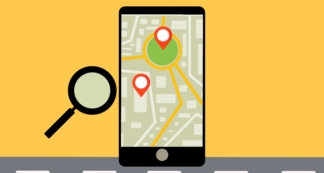
With a free phone number tracker report on HeyLocate, you get an offer to view the live location of a mobile number in Germany. After selecting the option, HeyLocate’s partners can enable real-time location access, delivering highly detailed results that can pinpoint a device’s position down to street level.

In most cases, live SIM tracking works by sending a secure location-sharing link to the target phone number. Once the user grants consent, the system retrieves accurate GPS data and displays it on an interactive map, allowing you to view the location clearly and in real time.

This is consent-based and thus completely legal live location tracking by phone number in Germany.

FAQ

Can you determine regions from German mobile numbers?

No, it is not possible to determine a specific geographic region from mobile numbers in Germany based on the area code. Unlike landline numbers, which have geographic area codes (e.g., 030 for Berlin, 040 for Hamburg), mobile network prefixes (015x, 016x, 017x, etc.) are not tied to specific regions.

How to track a phone number location in Germany?

Free online tools like HeyLocate show you the approximate location, including country and region/city. For live location tracking, you need the consent of the other person. To locate a mobile number, ask the phone’s owner to share their location via Google Maps, messaging apps, or “Find My” (for iOS).

What is the best free German phone number tracker?

HeyLocate Free Phone Number Tracker Germany is truly free and provides basic phone number reports (carrier, line type, region), while advanced live location features are usually paid.

Can a private individual track a mobile number in Germany?

Yes, but only with the explicit consent of the person whose mobile phone is to be tracked. Tracking without consent is illegal in Germany and violates GDPR and the Criminal Code. Legal methods include location-sharing apps, family locator services, or consent-based tracking links.

How do I find out who called me from this German number?

In Germany, there is no public database for telephone number owners due to strict data protection laws (GDPR). Business numbers can be found through official directories such as Das Telefonbuch or Gelbe Seiten (Yellow Pages). For private numbers, community-based apps like Truecaller can provide limited information, but without a guarantee of accuracy or completeness.

How can I identify an unknown phone number for free in Germany?

Use free reverse lookup tools like HeyLocate, public phone directories such as Das Örtliche or Das Telefonbuch, community apps like Truecaller, or spam databases.

Can you do a reverse lookup for German mobile numbers?

Yes, reverse lookup is possible, but with significant limitations in Germany. Private mobile numbers are rarely found in public directories due to GDPR, unless the owner has consented to publication. Business numbers and reported spam numbers are more likely to be identified through online services, community databases, or official phone directories.

Legal & Disclaimers

In Germany, the collection, processing, sharing, or tracking of personal data, including phone numbers and location information, is tightly regulated. You must always ensure compliance with applicable laws:

The EU General Data Protection Regulation (GDPR) provides the foundation for data protection across the EU. It defines personal data broadly (including phone numbers and precise location data) and requires a lawful basis for processing such data, such as explicit consent from the data subject.

The Federal Data Protection Act (Bundesdatenschutzgesetz – BDSG) implements national provisions supplementing the GDPR, with specific rules on data processing, data subject rights, and obligations for controllers and processors in Germany.

Telekommunikation-Digitale-Dienste-Datenschutz-Gesetz (TDDDG), formerly the TKG and TTDSG, governs privacy and telecommunications data protection in digital services and telecoms, including confidentiality obligations for communications service providers.

Disclaimer: All phone number lookup and tracking services must exclusively be used for lawful, ethical purposes and with proper legal basis (e.g., explicit consent). Live location tracking or GPS data access must be performed only after the person clearly and knowingly consents. Without consent, collecting or sharing someone’s location is illegal.

Individuals and organizations using tracking or lookup services are solely responsible for ensuring they have all necessary consents and legal authority.

The service provider disclaims liability for unlawful use; users must comply with GDPR, BDSG, TDDDG, and any other applicable laws in Germany.