How to Track a Phone Number in Singapore

Start your phone number search in Singapore with the free HeyLocate tracker online form above. Here’s a step-by-step guide:

  1. Enter the phone number. Start with the Singaporean code +65 for checking local phone numbers or the code of any other country for foreign numbers. You can also start typing the country’s name to find its code. Then insert the rest of the phone number and press “Search.”
  2. Wait, and your free report will be ready in seconds. You will get phone number details such as country, the city of registration, line type, mobile network provider, and other information available.
  3. The report also includes the options for more information from our partners, such as discovering a mobile number’s live location.

HeyLocate Users’ Mobile Phone Brands in Singapore

List From Our Database
Mobile Phone Brands Users’ Share
Unknown
42.19%
Apple
24.89%
Samsung
18.39%
Xiaomi
3.78%
Oppo
3.52%
Huawei
3.39%
Vivo
01.02%
Google
0.76%
OnePlus
0.66%
Realme
0.66%
Sony
0.14%
Asus
0.12%
LG
0.12%
Lenovo
0.08%
Infinix
0.06%
Motorola
0.04%
Tecno
0.04%
Nokia
0.03%
HTC
0.02%
Razer
0.02%
Honor
0.01%
Itel
0.01%
Show more

General Information About HeyLocate Free Phone Number Tracker

📱 OS Android, iOS, Windows, MacOS
💰 Service Сost Free
⭐ Languages English, Portuguese, Spanish, French, German, Italian
📣 Technical Support 24/7
⚡ Registration Not required
❎ No Hidden Charges Without extra fees
🏆 Top Partners Spokeo, PeopleConnect, Wikipedia, Google
🌍 Country Singapore

Reverse Phone Lookup for Singapore

Reverse phone lookup is a service that allows you to reveal details about the phone number and identify who is calling you by entering an unknown phone number into an online tool or app. Instead of searching for a number by name (like traditional SG phone directories), you work backwards, searching for a person by phone number.

Reverse phone lookup serves several important purposes:

Scam prevention:

Identifying potential scam calls before answering, which is particularly relevant given Singapore’s ongoing issues with phone scams.

Verifying unknown callers:

Checking who called when you missed a call from an unfamiliar number.

Screening telemarketers:

Identifying commercial or spam calls.

Safety verification:

Confirming the legitimacy of business contacts or service providers.

Reconnecting:

Finding contact details for people you’ve lost touch with.

Singapore once had traditional White Pages residential directories published by the Singapore Telephone Board (STB), later known as Singtel. However, Singtel stopped printing these physical directories after their telephone monopoly ended in 2012.

Now, one can use various third-party online lookup services and apps for telephone number searches, like Truecaller and Hiya. These are crowd-sourced SG phone number checkers, which means there are no guarantees you’ll discover the name of a person who called you, but it’s still possible. Anyway, any details you get about the caller can help identify them.

Who Called Me: Unknown & Spam Calls in Singapore

When you receive a call from a number you don’t recognize in Singapore, it’s wise to verify whether it might be spam, a scam, or simply unwanted.

It’s essential, as the Mid-Year Scams and Cybercrime Brief 2025 reports, that in the first half of 2025, the total number of scam cases was 19,665, and the total amount lost was S$456.4 million.

What to Do When You Receive a Suspicious Call:

  • Never share personal data: Don’t give out your NRIC identity number, banking credentials, one-time passwords (OTPs), or other sensitive info when a caller claims they’re from a “bank,” “police,” “government agency,” or other urgent‑looking organization.
  • Be skeptical of unexpected calls: If you did not initiate contact or are pressured to act immediately (“you may lose your account,” “you’re in trouble,” etc.), this is a common red flag.
  • Use the official ScamShield app (Singapore) to check and report suspicious numbers or messages.
  • If someone claims to be from your bank or a government agency, hang up and call the official number you know (not the one the caller provides) to verify.
  • Don’t rely solely on call ID: Scammers can spoof numbers, so the displayed number may look legitimate.
An unknown call came to the phone and the person was stressed.
Report on unknown calls.

Where to Report:

  • Use the ScamShield website or call the 24-hour anti-scam hotline 1799.
  • Try Verify@ATC, a tool provided by the Association of Trade and Commerce (ATC) Singapore, to verify local phone numbers from ATC and their authorized partners.
  • All major mobile service providers in Singapore have dedicated channels for reporting scam calls or SMSes:
  • For serious scams or if you’ve suffered a loss, contact the Anti‑Scam Command (ASCom) of the Singapore Police Force or the SPF i-Witness Portal.

Make sure to provide all relevant information when reporting, such as the phone number or details of the suspicious message or call.

Check Phone Number Owner Details in Singapore

There’s no legal public database in Singapore that lets anyone look up a phone number’s owner. Your realistic, lawful options are to use public/user-contributed tools to guess who it is or to go through official channels (telco + PDPA/police/court) to get subscriber details if there’s a lawful reason.

Nevertheless, here are some legal steps to do to check who called you and find out the owner of a phone number in Singapore:

  1. Google search. Type the phone number into Google with keywords like “phone number,” or try different formats (+65 XXXX XXXX). Singaporean businesses often put their contacts on their websites, Google My Business pages (Google Business Profile), and review sites.
  2. Social media search. Type the phone number directly into the search bars on Facebook, Instagram, or LinkedIn, as many people in Singapore link their handphone numbers to their profiles for networking.
  3. WhatsApp check. Save the unknown number temporarily in your contacts, then check if they have a WhatsApp profile to see their profile picture and status message.

Disclaimer: Some reverse phone lookup services may claim to provide detailed caller information such as a person’s name, address, social media profiles, email, or other background details.

However, accessing or using such personal information without consent may raise serious legal, privacy, and ethical concerns. Anyway, even with public information, misusing it for harassment, stalking, fraud, or any other improper purpose is strictly prohibited. Users are responsible for using this information responsibly and respecting the privacy of others. Always obtain consent where appropriate.

Number Details: Carrier, Line Type & Time Zone

HeyLocate’s Free Phone Number Tracker for Singapore provides key details for handphone or landline number searches. The report typically includes:

  • Network provider that issued the number, for example, Singtel, StarHub, M1, or TPG, indicating which company maintains the connection.
  • Connection type shows whether the number is a handphone, landline, or another category of service.
  • Prefix or area information. Mobile numbers in Singapore often start with 8 or 9, while landline numbers usually begin with 6, showing a local fixed-line connection.
  • Country code (ISO) based on ISO 3166-1 standards, for example, SG” confirms that the number originates from Singapore.
  • Time zone indicates the standard time observed for the number’s location. All numbers in Singapore operate under Singapore Standard Time (SGT, UTC +8).

Local Guide: How Phone Numbers Work in Singapore

Singapore uses a single, unified numbering plan for both mobile and fixed-line services. All numbers contain eight digits, and there are no regional area codes because the entire country operates under one network zone.

  • International Dialing Code: To call a Singapore number from overseas, dial +65 before the eight-digit local number.
  • Local Calls: When calling within Singapore, you simply dial the eight digits; there’s no need for a “0” prefix or area code.
  • Uniform Length: Every local number has the same length, which makes them easy to recognize and verify.
  • Handphone numbers usually begin with 8 or 9. These prefixes were once tied to specific telecom operators like Singtel, StarHub, or M1, but mobile number portability now allows users to keep their numbers when switching providers.
  • Fixed-line (landline) numbers start with 6 and are used mostly for home or office phones.

What is the Singaporean Area Code

The country code for Singapore is 65. With its help, you can easily identify the location of the caller.

Region Code
Ayer Rajah +65-676
Bedok +65-644
City +65-653
Freetown +65-645
Geylang +65-673
Jurong West +65-678
North +65-635
Sembawang +65-675
Tampines +65-677

Singaporean Telecom Providers

All networks
Telecom operator in Singapore MCC MNC
M1
525 03
SIMBA Telecom
525 10
SingTel
525 01
SingTel
525 02
StarHub
525 05
StarHub
525 08
Show more Show less

Example Formats

Mobile (Domestic): 9123 4567 (Singtel)

Mobile (International): +65 9123 4567

Landline (Domestic): 6234 5678 (Office/Landline)

International Call from Singapore: 001 44 20 1234 5678 (UK)

Trending Prefixes & Patterns

Mobile Numbers:

  • 8XXX XXXX – Most handphone numbers (Singtel, StarHub, M1)
  • 9XXX XXXX – Newer mobile number range (all operators)

Landline Numbers:

  • 6XXX XXXX – Residential and business fixed lines

Toll-Free & Premium Numbers:

  • 1800 XXXX – Toll-free
  • 1900 XXXX – Premium-rate services

Tips: Scammers may spoof local prefixes (6, 8, or 9) to make calls appear legitimate. Always verify unfamiliar numbers before answering or sharing personal information.

Calling Habits & Common Scam Themes

  • High mobile penetration in Singapore, with around a 165% subscription rate, as of 2024, which is more than 1.6 SIMs per person on average.
  • Mobile‑first communication: Most Singaporeans use handphones, messaging apps, and mobile data for calls, chats, and social media rather than relying on fixed lines, which are in decline.
  • Constant connectivity: With high broadband & fiber coverage and a tech‑savvy population, people are online almost all the time, which means scams can reach users via calls, SMS, messaging apps, and social platforms.
  • Singaporeans can register their phone number in the Do Not Call Registry to avoid telemarketing calls and SMSes.
  • Common scam types include impersonation of government officials, investment, renovation, job, and love scams; phishing via messaging apps; and e‑commerce scams (particularly on platforms like Carousell).
  • Fake callers & spoofing risk are high, as scammers often use local numbers, mobile prefixes, or messaging identities that look “normal” to appear trustworthy. Because Singaporeans expect mobile contact and quick responses, this gives scammers a lever.
  • To protect the public from scams, IMDA has partnered with Singapore telcos to let subscribers opt in to block incoming calls from international numbers on their handphones.

Broadband Subscribers: 152 million, with a 61.09% penetration, showing increasing internet adoption, which affects how younger users and urban populations combine calls and online messaging.

How to Dial Singapore

To call Singapore from abroad, simply dial +65 followed by the eight-digit local number. This works whether you’re calling from Malaysia, Indonesia, India, the Philippines, or anywhere else in the world.

There is no trunk prefix or area code to worry about; just the country code and the full eight-digit number (for example, +65 9123 4567 for a mobile number or +65 6234 5678 for a landline).

For an easier and faster way to connect without worrying about international dialing codes, try our service, How to Call International.

Example phone dialings for Singapore National International
Fixed Line 61234567 +65 61234567
Mobile 91234567 +65 91234567
Toll Free 1800123456 +65 1800123456

Live Location (with Consent)

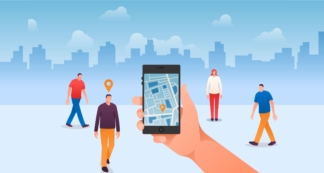
You can also trace a mobile number’s live location in Singapore or anywhere in the world. To achieve this, use the offer from our partner—you’ll see it under your HeyLocate Free Phone Number Tracker report.

Tap the offer named “See Live Location” or similar, input any handphone number, and you’ll be guided by the system to the tracking process. Craft the message for a person you want to locate, and send it through the third-party platform.

When the person clicks the tracking link and gives their consent, you’ll see their live location inside your dashboard.

FAQ

How to identify a Singapore phone number?

Singapore phone numbers all have 8 digits and use country code +65 when dialed internationally. The first digit indicates the type: numbers starting with 6 are landlines, while those starting with 8 or 9 are mobile lines.

How to locate which area from a telephone number in SG?

In Singapore you cannot determine a geographical area from the number because all eight‑digit numbers are nationwide and there are no regional area codes. The first digit gives service type (e.g., 6 for landline, 8/9 for mobile) but not location. For more detailed tracing (address or user) you’ll need legal process, telco assistance, or the phone number tracker with live location, such as GeoFinder.mobi or Scannero.io.

How to check if a number is a scammer in Singapore?

You can use the official ScamShield app or website to check unknown numbers, SMSes, or links; it flags known scam numbers and lets you report them. The Singapore regulator, Info‑communications Media Development Authority (IMDA), has measures that help block and identify scam calls (including those spoofing local numbers). Be cautious if the caller claims to be a government or bank official and requests your personal or financial information; that’s a common red flag

What is the best phone number tracker online in Singapore?

The best online phone number tracker in Singapore is the HeyLocate service. It is free, quick, and simple to use. Enter the phone number and get your detailed report with location in seconds.

How to trace no caller ID in Singapore?

If calls arrive as “Unknown” or “No Caller ID,” you can still describe what was said (script, voice, company name) in the ScamShield app’s “message” field or call the helpline (1799) to seek advice. If you receive a persistent “no ID” call, you can enable your telco’s international call blocking features (for international numbers) to reduce risk.

Legal & Disclaimers

In Singapore, the collection, use, and disclosure of personal data are governed by the Personal Data Protection Act 2012 (PDPA). Any phone number lookup or location tracking involving personal data must comply with the provisions of this law.

Tracking or accessing someone’s data without consent may violate the PDPA and other related regulations. It is essential to ensure that any personal data you collect through our service is stored securely and protected from unauthorized access or disclosure.

Under Singapore’s Computer Misuse and Cybersecurity Act (CMCA), it is illegal to engage in unauthorized access or interception of computer systems or communications, which includes phone tracking without consent. Violating this law can result in severe penalties, including fines and imprisonment.

Additionally, under the Telecommunications Act (Cap. 323), any unauthorized interception of telecommunication messages is prohibited. This includes tracking or accessing someone’s phone number or location data without their permission.

To avoid legal issues, always ensure that your use of phone number tracking or lookup tools is authorized and consensual. Using these services without proper consent may lead to legal action under the CMCA or Telecommunications Act.

All phone number lookup and tracking services provided through this platform are intended for lawful, personal, and ethical use only. Any live location or GPS tracking must be conducted only with the clear, informed consent of the individual being tracked. Unauthorized tracking, interception, or disclosure of someone’s location or personal data is prohibited under Singapore law, including the Personal Data Protection Act (PDPA), Telecommunications Act, and Computer Misuse and Cybersecurity Act (CMCA).

Users must always access, store, and handle personal and location data responsibly and ethically. The service provider disclaims liability for any unlawful use of the platform. Individuals and organizations are solely responsible for ensuring they have obtained all required consents and possess the necessary legal authority before performing any lookups or tracking activities.

Links: Terms · Privacy Policy